
Your body already has many of the tools it needs to repair injured tissue. Platelet-rich plasma (PRP) therapy harnesses concentrated platelets from your own blood to support that natural healing process. At Anchor Spine & Joint in Tampa, Riverview, Odessa, Pinellas Park, and Lutz, Florida, the orthopedic team offers PRP injections as a nonsurgical option for select joint and soft-tissue conditions. Schedule an evaluation by calling the nearest office or booking online today.
How does PRP therapy work?
Platelets are blood components that play an important role in clotting and tissue repair. They also contain growth factors and proteins involved in your body’s healing response.
During PRP therapy, your provider draws a small sample of your blood and processes it in a centrifuge. This separates and concentrates the platelets, creating platelet-rich plasma.
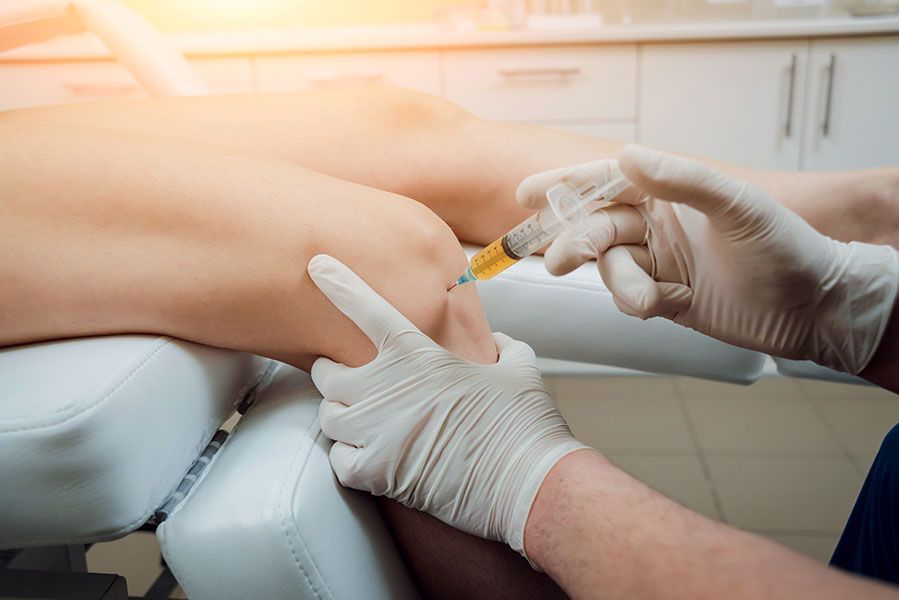
Your provider then injects the PRP into the area that needs treatment. The goal isn’t simply to mask discomfort but to support the biological processes your body uses to repair tissue. By delivering a higher concentration of platelets directly to an injured area, PRP may help support tissue recovery and improve function over time.
What types of injuries may respond to PRP injections?
PRP is commonly associated with orthopedic and sports medicine care because it can be used to target injured joints and soft tissues. It may be considered when pain or limited mobility continues despite rest, activity modification, physical therapy, or other conservative treatments.
Depending on your diagnosis, Anchor Spine & Joint may consider PRP for conditions involving:
- Tendons
- Ligaments
- Muscles
- Joints
- Osteoarthritis
- Sports or overuse injuries
PRP isn’t appropriate for every injury. Your provider evaluates your condition, overall health, and prior treatments before determining whether regenerative therapy is appropriate for you. They can also explain how PRP may fit alongside other treatments in a comprehensive plan designed around your individual needs.
What should I expect from a PRP appointment?
PRP treatment involves both collecting and reinjecting your own blood components. After drawing your blood, the team processes the sample to isolate the platelet-rich portion.
Your provider prepares the treatment area and carefully injects the PRP into the affected tissue. Depending on the location, they may use imaging technology to guide the injection and help ensure the PRP reaches the intended area.
Because PRP comes from your own blood, no donor material is required. The procedure is minimally invasive and is generally performed on an outpatient basis, allowing you to return home afterward.
How quickly does PRP start working?
PRP differs from treatments designed to numb an area or provide immediate pain relief. Instead, it’s intended to encourage a healing response, so improvement may develop gradually over the weeks following treatment.
It’s normal to have some temporary soreness or swelling following treatment. Your provider explains what activities to avoid and how to care for the area as it recovers. Depending on the condition being treated, they may also recommend rehabilitation or physical therapy to support your recovery.
Results vary depending on your injury, its severity, and how your body responds. Some patients may need more than one treatment to achieve their desired outcome. Your provider monitors your progress and determines whether additional PRP injections or other therapies may be beneficial.
To find out if PRP injections may support your recovery, contact Anchor Spine & Joint by phone or schedule a consultation online.